There are you in the four seasons, and Shangri-La has a long-term agreement with you.
Femando pessoa’s poem: "Sometimes, I listen to the wind but turn a deaf ear, and I think it’s worth being born to listen to the wind and turn a deaf ear."
Shangri-La is located in Diqing Tibetan Autonomous Prefecture, which means "the sun and moon in my heart" in Tibetan. There are sacred snow-capped mountains, deep canyons, flying waterfalls, quiet lakes surrounded by forests, flocks of cattle and sheep roaming the beautiful grasslands, and splendid temples. It has been said that Shangri-La will visit four times, the cuckoo forest in spring, the alpine meadow in summer, the Killer Festival in autumn and the snow in winter … There are you in four seasons, which is better than countless others.
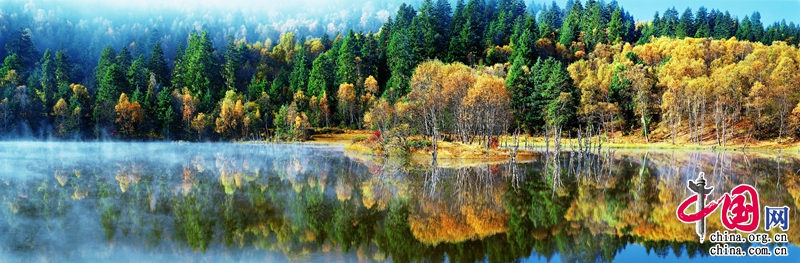
In spring, everything is red and purple.
In April, the beauty of the world is exhausted, and the azalea in the snowy area begins to bloom. Under the blue sky and white clouds, the special geographical environment of low latitude and high altitude, such as snow mountain canyon, virgin forest, flower meadow and plateau lake, has created the unique ecological environment of Shangri-La in Diqing. Every year, when the cuckoo is in full bloom, it is the season of "drunken beauty" in Shangri-La. In the beautiful spring when the snow and ice melt and everything grows, the rhododendrons in Shangri-La are in full bloom, covering the whole mountain forest and grassland, dyeing the green mountains and green waters, and painting the snowy area into a fascinating secret.
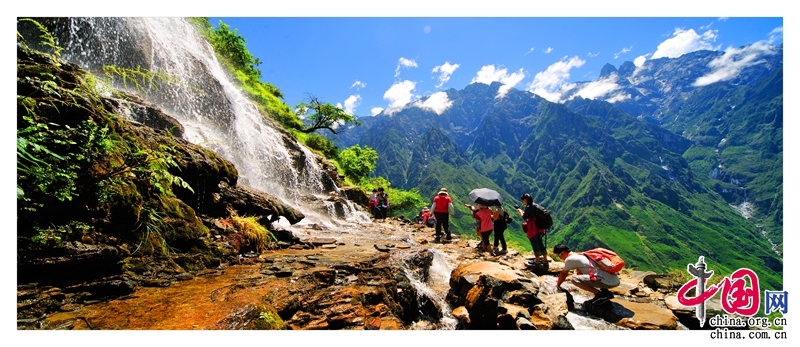
In summer and summer, the wood is overcast and pleasant.
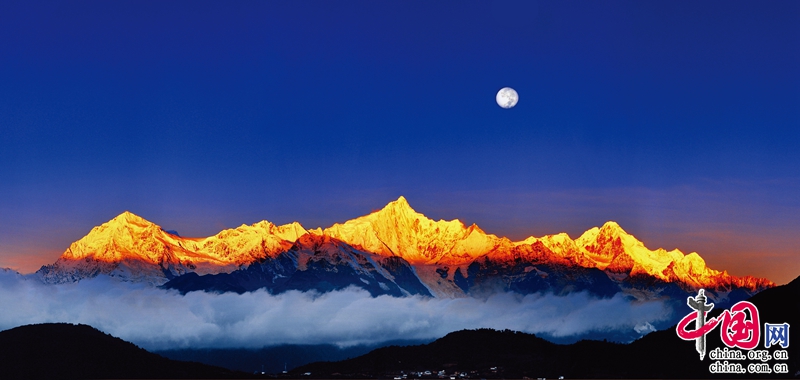
Shangri-La in Diqing is a summer resort: the average temperature in summer is 15, the highest temperature in winter is 18, and the average elevation of Quanzhou scenic spot is 2700 meters; It is an ideal place to clear the lungs: the forest coverage rate is 76%, and the average value of PM2.5 is 20-25; It is a place of meditation, where Tibetan Buddhism, Catholicism, Christianity, Islam, Dongba religion, Taoism and primitive religion live in harmony, forming a mysterious, profound and harmonious religious and cultural hall; It is the most beautiful place to watch the stars and the place visited by "whispers". When the moon is full, the Meili Snow Mountain shines with the sun and the moon, and Kawagebo flashes with silver light; It is the best place to carry out soft exploration. The Tiger Leaping Gorge, balague Zong Grand Canyon and Lancang Grand Canyon between the three great rivers are outdoor hiking paradise. National Highway 214 is the most beautiful tourist scenic route from Shangri-La to Tibet.
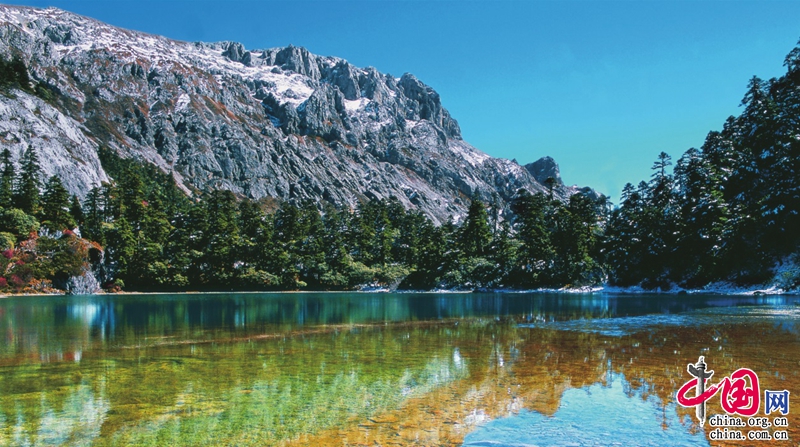
In late autumn, heavy colors and paintings are strong.
In autumn, Shangri-La in Diqing, burning stellera chamaejasme, dyed the earth red, the quiet lake, floating white clouds, full of colorful beauty; In Diqing in autumn, the grassland is golden, and the poetic Napahai becomes a paradise for birds; In Diqing in autumn, "Wangguo" smells fragrant. People drink highland barley wine, sing songs and Tibetan operas, talk about the past and the present, and have a good time.
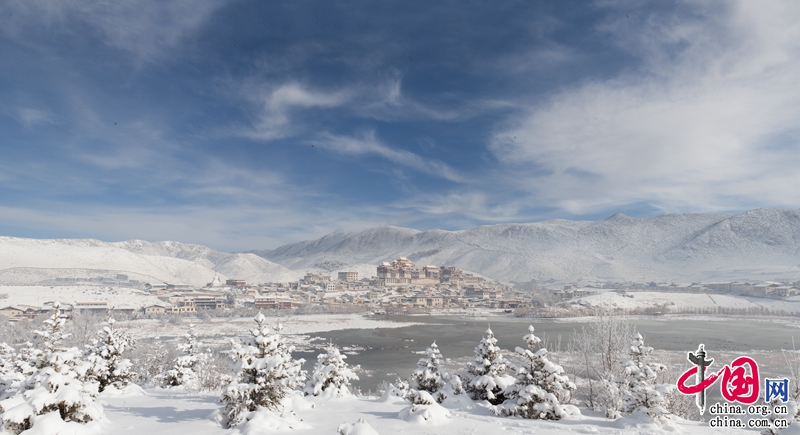
It’s snowing all over the mountain since winter morning.
In winter, Shangri-La in Diqing, the spiritual Napa Sea, is covered with white snow, and rare birds such as black-necked cranes, golden eagles and striped geese roam in the snow-covered grass and water, bringing vitality to the plateau meadow; Diqing in winter, the sacred Gadansong Zanlin Temple, the golden dome of the temple covered with snowflakes, the bright snow and the solemn temple set each other off, and the looming clouds, accompanied by the burning incense, added a ray of Zen to the snowy plateau; In winter, Diqing, like a poem and a dream of Dukezong, is decorated with Tibetan-style houses with white snow and white jade. The old man in traditional clothes slowly walks through the ancient city, and the cheerful children are busy making snowmen, which is beautiful and vivid.
[Introduction of Shangri-La Scenic Spot in Diqing]
Meili Snow Mountain National Park Jinsha River Dawan Scenic Area:
The Jinsha River mainly runs through high mountains and plateaus. After millions of years of river erosion, many spectacular canyons with a height difference of 2,000 to 3,000 meters have been formed along the Jinsha River. At the junction of Benzilan Town, Deqin County, Yunnan Province and Zigeng Township, Derong County, Sichuan Province, the Jinsha River has turned into a U-shaped bend in the canyon. Draw a beautiful curve on the earth, which is called "Jinsha River Dawan". Yunnan Protected Area, where the Dawan of Jinsha River is located, is listed in the World Natural Heritage List. The World Heritage reflects the diversity of the earth and human achievements. They are places of beauty and wonder, magic and magnificence, memory and significance. They represent the best of the earth.
The best shooting time of Jinsha River Dawan Scenic Area: January-March, July and August.
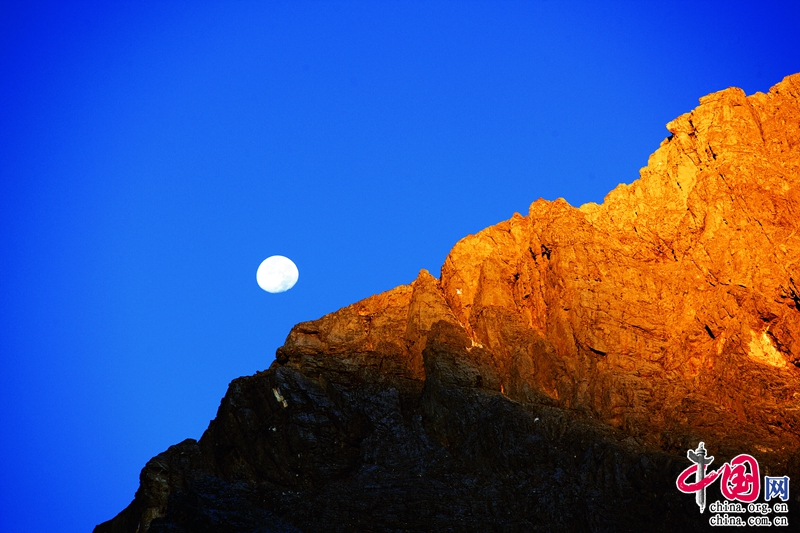
(The moon sets in Haba)
Meili Snow Mountain National Park Dense Fog Roof Reception Desk:
The reception desk of Thirteen White Pagodas with dense fog roof is located in dense fog ding cun, 23km away from the pass of Baimang Snow Mountain and 8km away from Deqin County. It is the best place to shoot the panoramic view of Meili Snow Mountain. The Meili Snow Mountain seen from here is more magnificent and has rich shooting prospects. Because there is a village called "Fog Top" next to the observation deck, it is named after it. You can take Feilaisi village and river valley as the foreground, and you can also shoot in the middle and long focus. To the northeast is Baima Snow Mountain, and to the south, you can see the fog-dense green smoke of ding cun simmering mulberry and the smoke cloud of Lancang River Canyon. All kinds of angles, all kinds of States, Rizhao Jinshan, Sunset Yinshan, surrounded by clouds, are beautiful. The fog-capped observation deck offers a panoramic view of Meili Snow Mountain.
The best shooting time in the foggy top scenic spot: March-May and November.
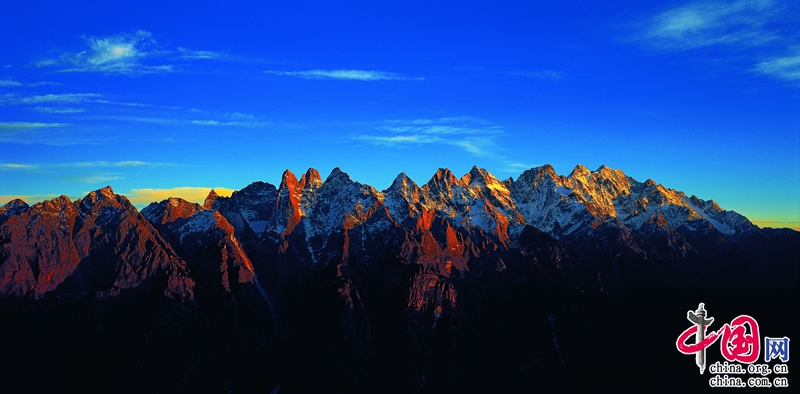
(Jade Dragon Sunset)
Feilai Temple Observation Deck in Meili Snow Mountain National Park:
The observation deck of Feilai Temple Scenic Area is an important hub for entering Meili Snow Mountain or rain collapse, facing Kawagebo, the main peak of Meili Snow Mountain. It is a place to worship the thirteen peaks of Meili Snow Mountain and burn incense and pray for blessings. Standing on the observation deck of Feilai Temple, at sunrise, the sun shines on the main peak of Meili, and the snow-capped mountains seem to emit golden light. Believers from all over the world kneel down and worship, mumbling scriptures, which is very spectacular.
The best shooting time of Feilai Temple Scenic Area: October-December.
Meili Snow Mountain National Park yubeng scenic spot:
Some people say that this is the "Xanadu" written by Tao Yuanming, which is quiet and beautiful. The main ways to enter the rain avalanche are hiking and horseback riding. The rain avalanche waterfall is like water from heaven. When you come under the waterfall, you must be baptized with the piety of your heart. The ice lake is a dark green sea formed by the melting snow water of Meili Snow Mountain glacier, which is called the holy lake of Meili Snow Mountain. Yubeng Village is also the only place for Buddhist believers to "turn the scriptures in Meili Snow Mountain", and the holy sites such as "holy water baptism", "going to heaven, going to hell" and "drilling to live in caves" that must be done when turning the scriptures are all in Yubeng Village.
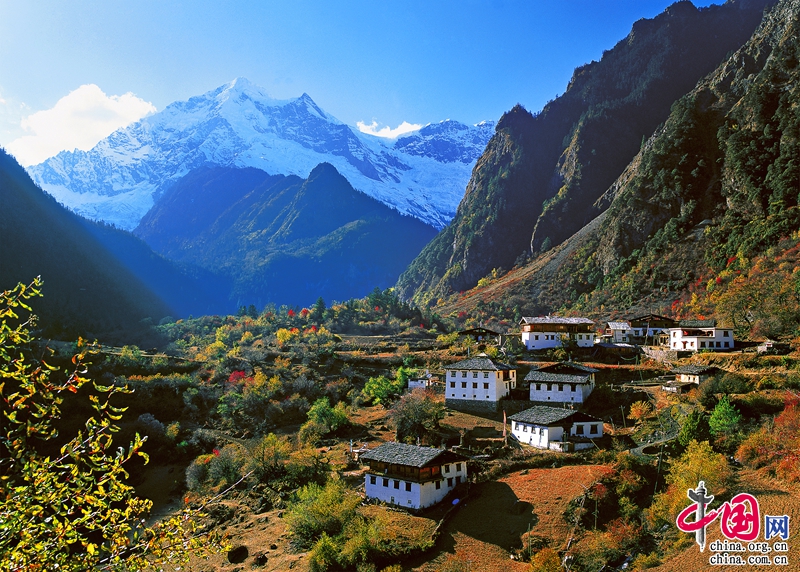
(Yubengshang Village)
The best time to take photos in yubeng scenic spot: It is excellent all year except the rainy season from June to September.
Mingyong Glacier Scenic Spot in Meili Snow Mountain National Park:
Mingyong Glacier is one of the long glaciers in the lower kawakarpo, which is a modern glacier with low latitude tropical monsoon, and the snow and ice on the top of the mountain do not melt all year round. Because of its low snow line, high temperature and fast melting, it lives by precipitation, so its movement speed is also fast. In winter, its glacier tongue can extend from 5,500 meters to 2,800 meters above sea level.
The best shooting time of Mingyong Glacier Scenic Area: November-March
Shangri-La Tiger Leaping Gorge Scenic Area:
Tiger Leaping Gorge Scenic Spot in Shangri-La is "one of the top ten most beautiful canyons in China". It is located in the southeast of Shangri-La City, Diqing Prefecture, Yunnan Province, close to National Highway 214, 98 kilometers away from Shangri-La City and 60 kilometers away from Lijiang City. It is a famous rapids canyon exploration natural scenic spot.
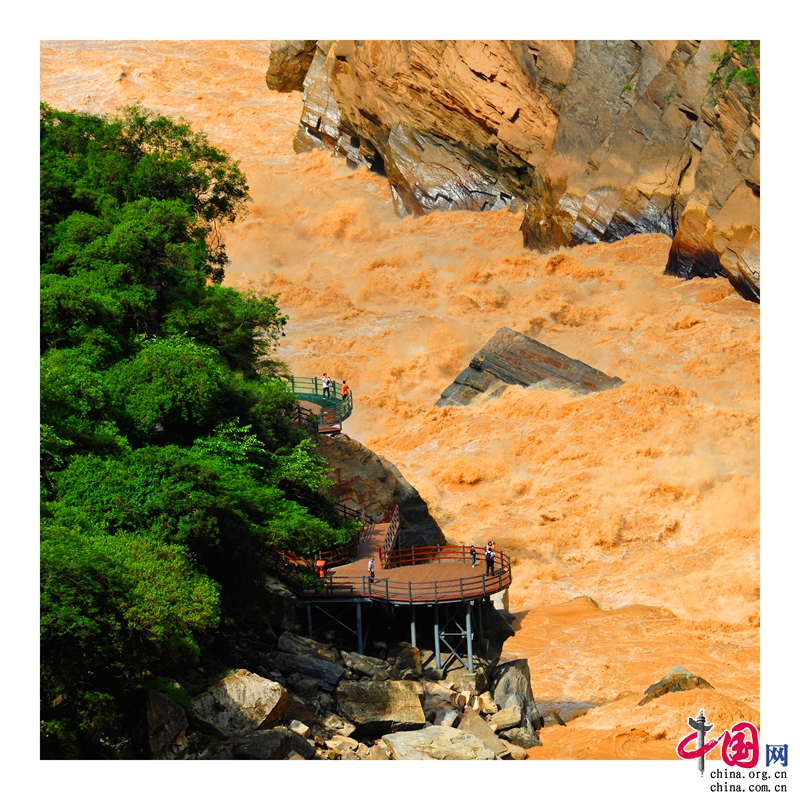
The Tiger Leaping Gorge is 23 kilometers long, with a drop of 213 meters within 20 kilometers. Like the Yarlung Zangbo Grand Canyon in Tibet and the Colorado Grand Canyon in the United States, it is a world-class canyon. Tiger Leaping Gorge is named after the legend that the tiger jumps over the river and the stone crosses the river. It crosses between Haba Snow Mountain and Yulong Snow Mountain, with 18 dangerous beaches, and the narrowest part of the river is only more than 20 meters. The canyon attracts a large number of Chinese and foreign tourists with its high mountains, deep valleys, many beaches and steep scenery.
Best time to play: April-October.
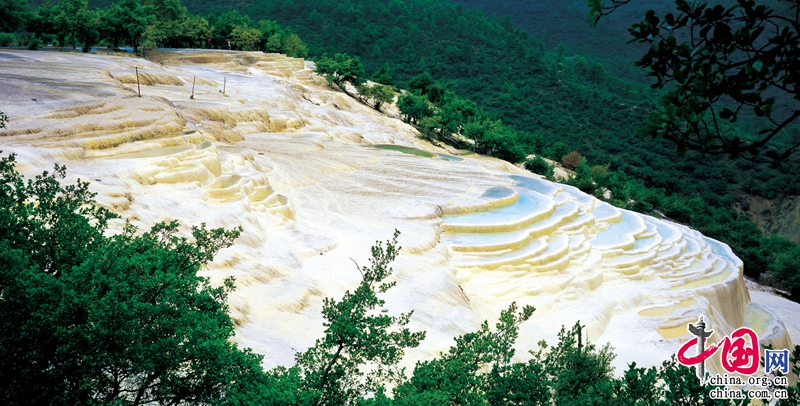
(Baishuitai)
Baishuitai Scenic Spot in Shangri-La:
Baishuitai is located at the foot of Haba Snow Mountain, and is known as the "Immortal Heritage Field". It is the largest Huaquan terrace in China. Because the water is rich in calcium bicarbonate, it has been dissolved and precipitated for a long time, forming a natural wonder of Baishuitai. The whole shape is like terraced fields, forming countless jade ridges and silver mounds filled with water. Baishuitai is not only beautiful, but also the birthplace of Dongba culture of Naxi nationality. On February 8 every year, Naxi people hold a grand ceremony here.
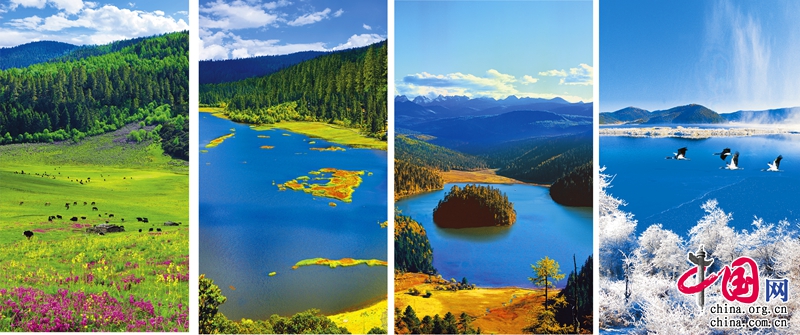
Pudacuo National Park:
From mid-May to June, the alpine azaleas around Hu Pan and Bitahai compete to bloom, and the colors are particularly charming;
From July to the end of August, the meadow around Duhu and the subalpine pasture in Militang became a sea of flowers, with colorful and different forms of primroses blooming on the green grassland;
From the end of September to November, the big-fruit redwood trees in Pudacuo Park all over the mountains dyed the whole hillside golden yellow, and the scenery was naturally beautiful;
From the end of December to March, Pudacuo Park seems to have entered a fairytale world. The alpine willows beside the river valleys and streams, the big-fruit redwood trees, spruce trees and fir trees on the hillside are covered with snow, especially at 8: 00 to 10: 00 in the morning, when the sun shines on the treetops, the icicles hanging on the trees are crystal clear, as if diamonds are embedded here, which is absolutely beautiful.
The best viewing time (8: 00 to 10: 00) is mainly the morning fog, reflection and rime (summer and winter) of Duhu and Bitahai.
Shambhala Shilun Tancheng Scenic Area:
The 11th Panchen Lama, Erdene Que Ji Jie, personally presided over the Dharma meeting to celebrate the Shambhala Time Wheel Tancheng. It was also named Shambhala Time Wheel Tancheng, and became the only Dojo of Panchen Lama in Kangba area. Since then, there has been an extremely unique hall of Tibetan culture in Shangri-La. To continue the dream of Shambhala Kingdom. And present and write all the memories about Shambhala, opening a window to the world of Shambhala. With the aim of promoting and displaying Tibetan culture, the Wenbo Center of Shambala Shilun Tancheng aims to show the harmonious and beautiful "Shambala" pure land and create the world’s Shambala cultural experience. It has 28 exhibition halls and is a multifunctional service center integrating commerce, trade, cultural relics display, tourism and leisure, education and scientific research exchange.
Balague National Scenic Area:
Balague Zongjing Scenic Area, with canyon landscape as the main part, is located in the alpine vegetation area and alpine canyon area of the Qinghai-Tibet Plateau. The natural eco-tourism resources have higher taste, stronger comprehensiveness and mystery, and richer landform vegetation. At the foot of the mountain, there are endless Gangqu river and unique canyon cliffs, as well as dry-hot valley landscape similar to Savannah in tropical Africa; There are dense virgin forests on the mountainside, as well as all kinds of rare birds and animals and exotic flowers and trees; There are towering snow-capped glaciers and glacial lakes on the top of the mountain, and there are alpine shrub meadows and flowing stone beaches full of alpine flowers and precious Chinese herbal medicines.
Gadan Songzanlin Temple:
Gadan Songzanlin Temple is located at the foot of Foping Mountain in the north of Shangri-La. It is the largest Tibetan Buddhist temple in Yunnan and one of the famous "Thirteen Forests" in Kangqu. Because the whole temple imitates the Potala Palace and is built on the mountain, it is also known as the "Little Potala Palace".
Every year, on the 15th day of the first month of the Tibetan calendar, it is the Buddha-welcoming Festival, and Songzanlin Temple will hold a grand "Praying for Dharma", which is called "Morang Khumbu Dharma" in Tibetan, which is one of the most important Buddhist activities of the Gelug Sect of Tibetan Buddhism.
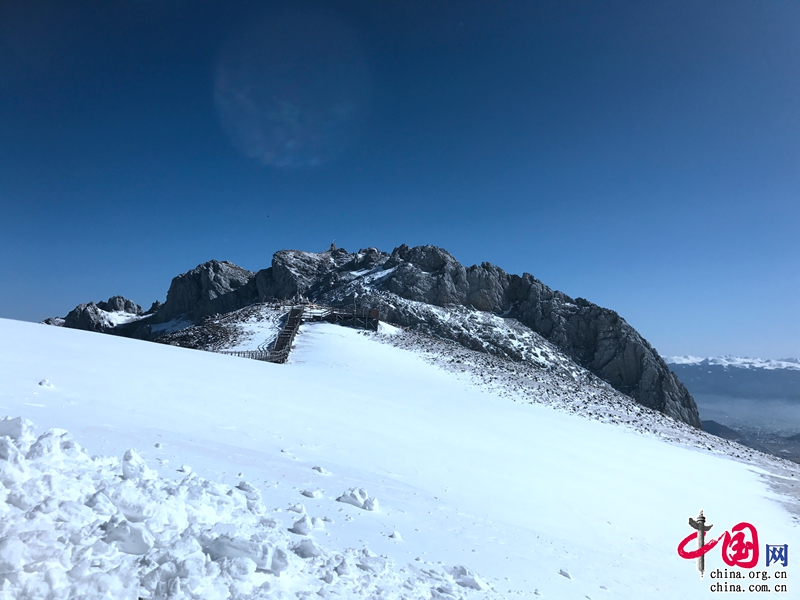
Gedong Festival, which means to cook nine kinds of food for dinner, is a religious activity specially organized by Tibetan Buddhist monasteries to jump gods and exorcise ghosts. Gedong Festival in different monasteries varies in time, and Gedan Songzanlin Monastery will burn incense and pray for blessings from December 26 to 29 in the Tibetan calendar.
Shangri-La Seal Academy:
Shangri-La Yin Jing Yuan Cultural Tourism Scenic Area is located in Xiagei Village, which is surrounded by mountains and rivers and picturesque scenery. It is a Tibetan cultural corridor and a Tibetan natural village integrating natural landscape and human landscape. The village maintains typical traditional Tibetan residential buildings, collectors’ unique life, production customs, Tibetan Buddhist culture, food culture and traditional folk handicraft culture, and is known as "Shangri-La’s first village".
A number of static and dynamic cultures are displayed in the scenic spot, including wood art, ox horn art, Thangka art, Tibetan incense art, stone carving art, Tibetan silverware and knife art, Tibetan medicine museum and other craft workshops, so that the endangered Tibetan culture and folk handicrafts can be protected and passed down. The Gadan Dejilin Temple in the scenic spot displays the eight main schools of Tibetan Buddhism, which is unique in the whole Tibetan area.
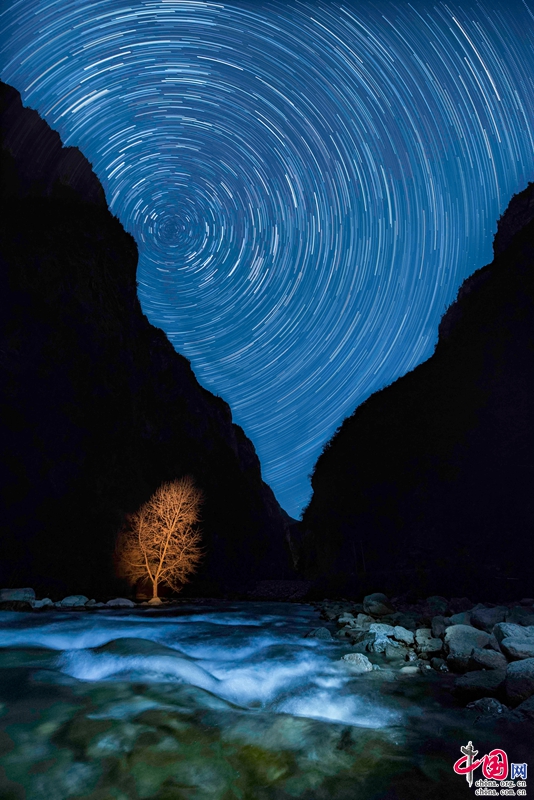
Dukezong Ancient City:
Features: The layout is like an eight-petal lotus, turning a huge prayer wheel and feeling the piety of Tibetans in the sound of chanting.
Dukezong Ancient City, located in the southeast corner of Shangri-La County, Diqing Tibetan Autonomous Prefecture, was built by the Tubo Dynasty in Tang Dynasty. "Dukezong" is a Tibetan pronunciation, meaning "Moonlight City" and "Castle built on stone". The ancient city is built on the mountain, and the pavement is paved with stone slabs, which naturally fluctuates. Up to now, even the footprints of horseshoes can be seen on the stone road, which is a token left by the caravan with a long history.
Blue Moon Valley Shika Snow Mountain:
Blue Moon Mountain Valley, with its snow-capped mountains, canyons, lakes, alpine meadows, mysterious religious culture, ancient gold mine sites and other resources, has restored the magical Shangri-La secret realm in the novel one by one, and is known as the "heart of Shangri-La", which is the sacred land of Shambhala where man and nature are in harmony with each other, man and nature, and man and god, and the soul home that people have dreamed of for many years. Shika means a place where red deer come and go. Legend has it that Bandan Ram (the auspicious mother) is the embodiment of Tibetan Buddhism. Bandan Ram is the head of the gods and the mother of all buddhas. Tibetan believers believe that worshipping her can dispel disasters and make people prosper, so Shika Snow Mountain has been the patron saint of Shangri-La since ancient times.
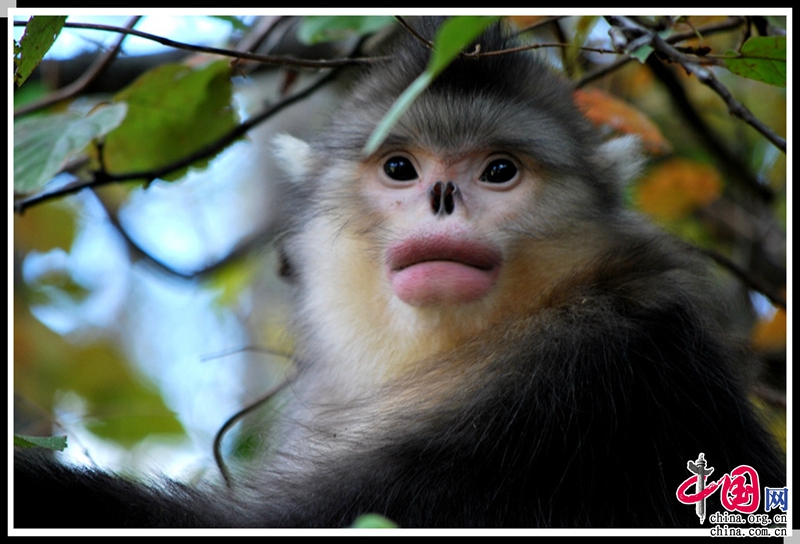
Shangri-La Yunnan Golden Monkey National Park:
Shangri-La Yunnan Golden Monkey National Park is located in Tacheng, the hometown of Reba art, with rich tourism resources: there are 7 sub-categories, 30 basic types and more than 70 resource entities, involving geological landforms, ice and snow waters, rare animals and plants, ethnic customs and multi-religious cultures. The main scenic spots in the park are: Xiangguqing Wildlife Rescue Station (to watch wild Yunnan golden monkey in the designated area), the ancestral cave of Dharma, the sacred spring of Qizong, the ginkgo tree of Qibie Millennium, the Neolithic cultural site of Gordon, the first stone gate of Wanli Yangtze River, and the Lisu cottage of Donage. (Ma Chen)